
Human papillomavirus (HPV) often causes cervical cancer, and it also contributes to a growing number of oral cancers. In fact, HPV infection links to approximately 70% of oropharyngeal cancers, which affect the back of the throat, including the base of the tongue and tonsils. HPV vaccination plays a significant role in reducing oral cancer risk.
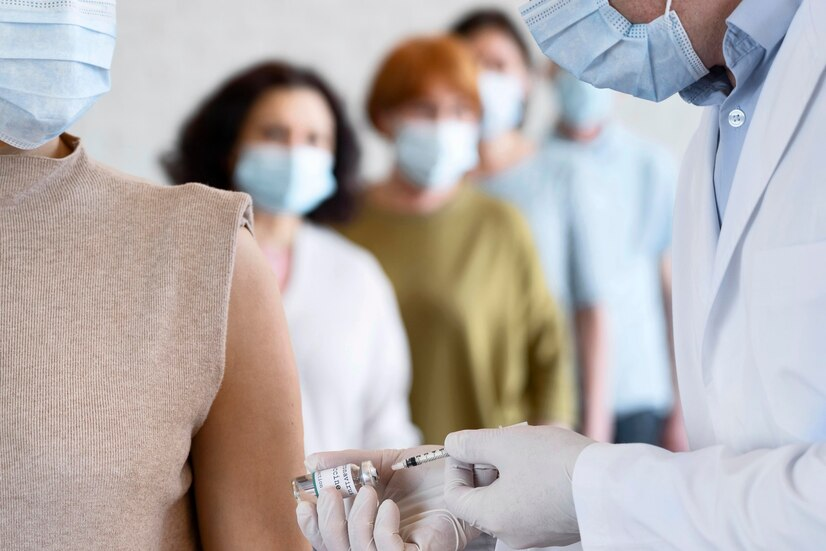
HPV-related oral cancers are now more common than cervical cancers in the United States, with over 15,000 cases diagnosed annually. Studies show that the vaccine can cut the risk of HPV-related oral infections by up to 90%, offering a potential solution to the rising rates of HPV-associated cancers.
HPV: A Hidden Threat in the Oral Cavity
Human papillomavirus (HPV) is one of the most widespread sexually transmitted infections worldwide, with over 200 types. Some types can cause oral cancers. Although often linked to genital warts and cervical cancer, HPV The risk is higher in men and those engaging in behaviors like smoking or oral sex.
HPV can remain dormant in the oral cavity for years, hiding within the microbiome and evading the immune system. This long incubation period means many people may not realize they carry the virus until it triggers malignant changes that can cause cancer. Oral HPV spreads mainly through sexual contact, especially oral sex, and can also transmit via deep kissing.
In the U.S., HPV is responsible for nearly 70% of oropharyngeal cancers, with a troubling rise in cases, particularly among men.
Over 11,000 Americans are diagnosed annually with HPV-related oropharyngeal cancers, with this number expected to grow in the next two decades. Men are particularly at risk, with diagnoses surpassing those in women.
Fortunately, the HPV vaccine offers a highly effective preventive measure, reducing the risk of these cancers by up to 90%. Vaccination prevents infection with high-risk HPV strains, significantly lowering the chances of developing oral cancers in the future.
The vaccine will take years to show its full impact. However, it plays a crucial role in reducing HPV-related oral cancers. This is especially important as doctors detect more cases in younger, otherwise healthy people.
HPV Vaccine for Oral Cancer Prevention in Men
HPV-related oropharyngeal cancers occur more often in men than women. In the U.S., men account for about 80% of cases. This difference may result from immune response variations and lifestyle factors that increase persistent oral HPV infections in men.
The Oral Cancer Foundation reports that up to 10% of men carry an oral HPV infection at any given time, with HPV-16 being a significant contributor to oral cancers. This elevated risk makes HPV vaccination particularly beneficial for men as a means of reducing their cancer risk.
Studies on the HPV vaccine’s effects in male populations show that it reduces oral HPV infections by as much as 88% for high-risk strains. This reduction dramatically lowers the risk of oropharyngeal cancers, especially those caused by HPV-16 and HPV-18.
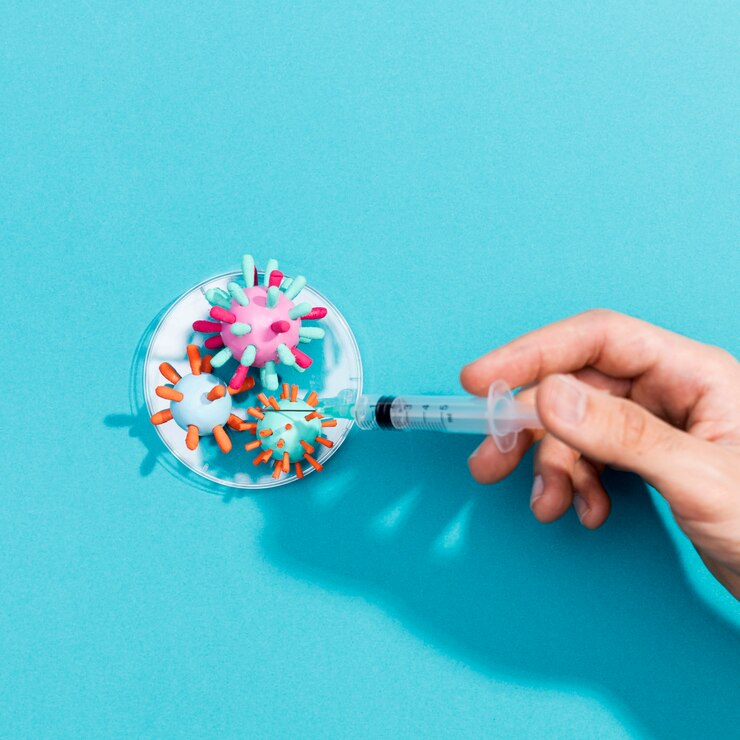
As men are disproportionately affected by these cancers, vaccinating men has a profound impact on individuals and public health. Increasing male vaccination rates would likely reduce HPV transmission within communities, contributing to lower overall rates of HPV-related cancers.
Despite these benefits, men still underutilize the HPV vaccine. Many believe HPV mainly affects women. Early marketing targeted cervical cancer prevention, which unintentionally made men think the vaccine was unnecessary for them.
Public health campaigns now emphasize that the HPV vaccine is essential for both men and women, as it protects against a range of cancers, including those of the oral cavity, anus, and genitals. As awareness increases, HPV vaccination among men is steadily gaining traction, helping bridge this critical gap in cancer prevention.
How Effective is the HPV Vaccine in Preventing Oral Cancer?
The HPV vaccine works by priming the immune system to recognize and neutralize the virus before it can establish a foothold. The vaccine is formulated using virus-like particles (VLPs) that mimic the HPV’s outer shell but contain no viral DNA.
When injected, these VLPs prompt the body to produce a specific immune response, generating antibodies that remember HPV and can quickly attack it upon future exposure.
Though the vaccine targets specific high-risk strains (e.g., HPV-16 and HPV-18), studies reveal it may offer broader protection. Research shows the vaccine generates a “cross-protective” response, meaning it can also combat strains closely related to those it directly targets.
This cross-protection increases the vaccine’s ability to prevent a wider range of HPV infections. It is thus a powerful tool against cancers, including oral and oropharyngeal types.
Recent studies suggest HPV vaccination may benefit the oral microbiome, the community of bacteria, viruses, and other microorganisms in the mouth. By lowering the risk of HPV infection, vaccination may make the oral environment less favorable for viral persistence and cancer development.
Although research is still emerging, early data from Infectious Agents and Cancer indicate that the HPV vaccine could promote a healthier oral microbiome over time.
The Lesser-Known Benefits of HPV Vaccination
The HPV vaccine’s benefits extend beyond cancer prevention, covering a range of HPV-related conditions that can impact quality of life. For example, HPV can cause benign growths known as oropharyngeal papillomas, which can obstruct airways, affect voice quality, and in rare cases, complicate breathing. By preventing the initial infection, the vaccine effectively reduces the risk of these non-cancerous but still troublesome conditions.
Research on HPV vaccination suggests it may have broader immunological benefits, enhancing immune system response and resilience. Vaccinated people are less likely to experience persistent HPV infections, which has the added effect of reducing the likelihood of co-infections with other pathogens.
This boost to immune health has synergistic effects, helping vaccinated people maintain a more robust immune defense overall.
When a critical percentage of the population is vaccinated, HPV transmission rates decrease across the community, indirectly protecting those who remain unvaccinated. This concept, known as herd immunity, is particularly valuable in protecting vulnerable people, such as those with compromised immune systems.
Research published in the Journal of Clinical Oncology highlights that high HPV vaccination rates can reduce oral HPV prevalence, ultimately contributing to lower oral cancer rates in entire populations.
The Psychology of Vaccine Hesitancy and Acceptance
Vaccine hesitancy around HPV often stems from misunderstandings and misplaced fears. Commonly, people worry that vaccination might promote risky behaviors, despite extensive research debunking this notion.
Cultural beliefs and misinformation further compound these fears, leading some to reject vaccination even though it could significantly benefit their health.
To counter vaccine hesitancy, innovative approaches like storytelling, gamification, and digital platforms are making headway. Programs that include personal testimonials and engaging, fact-based information are especially effective.
The Journal of Infectious Diseases reports that storytelling in health communications creates a connection, making complex information more relatable and convincing for patients.
Doctors and healthcare professionals play a vital role in influencing vaccine decisions. Studies show that patients are more likely to consider vaccination when they receive clear, supportive guidance from trusted providers.
The Role of HPV Vaccination in LGBTQ+ Communities
LGBTQ+ people, particularly men who have sex with men (MSM), are at heightened risk for HPV-related oral cancers. Research indicates that MSM have a higher prevalence of HPV infections, partly due to HPV’s transmission pathways that include oral-genital contact.
Despite these risks, HPV vaccination rates within LGBTQ+ communities remain lower than needed. The CDC highlights the importance of targeted vaccine campaigns, emphasizing how addressing these gaps could dramatically improve health outcomes within these communities.
Public health initiatives that directly address LGBTQ+ needs are essential to increasing vaccination rates and reducing HPV-related cancer risks. When vaccination efforts explicitly include LGBTQ+ people, it reduces stigma and ensures these populations understand the vaccine’s value.
Successful initiatives in cities like San Francisco show that partnerships with LGBTQ+ advocacy groups and healthcare providers can boost vaccine uptake.
Programs in urban centers have implemented programs to educate LGBTQ+ about HPV risks and the benefits of vaccination. For example, LGBTQ+ centers in New York City have partnered with health departments to provide accessible, judgment-free vaccine clinics, successfully increasing awareness and participation in HPV vaccination programs.
Bridging the Gap: HPV Vaccination Access and Equity
In many regions, access to the HPV vaccine is limited by economic constraints and geographic isolation. Rural areas, for instance, often lack sufficient healthcare facilities, leaving residents without easy access to HPV vaccines. Initiatives to provide low-cost or free vaccines are crucial, as the vaccine cost can otherwise be prohibitive for low-income families.
Research from the Journal of Infectious Diseases underscores that increasing vaccine accessibility in underserved regions is fundamental to reducing HPV-related cancer rates globally.
Certain cultural misconceptions perpetuate the belief that HPV vaccination is unnecessary or inappropriate. In some communities, there is a stigma around discussing HPV, which is often associated solely with sexual transmission.
Educating these populations on HPV’s link to various cancers, regardless of sexual activity is critical to dismantling these misconceptions. This can help increase vaccine acceptance and coverage across diverse demographics.
Countries around the world are developing creative methods to deliver the HPV vaccine to hard-to-reach areas. Some African nations, for example, have employed drone technology to transport vaccines to remote villages, ensuring residents have access to life-saving vaccines.
Telemedicine consultations are another solution, allowing people to receive vaccine information and arrange appointments even when healthcare facilities are scarce.
Emerging Research and Future Directions
Researchers are actively developing new HPV vaccines that cover more HPV strains and may require fewer doses, which could make them more accessible and appealing. A next-generation, single-dose HPV vaccine is also under study, which could simplify vaccination logistics and improve adherence rates. Studies suggest that single-dose vaccines could offer effective protection, expanding prevention efforts globally.
While vaccination is crucial, it’s also vital to pair it with regular screenings to identify early signs of HPV-related cancers. Combining vaccination with accessible cancer screenings, especially in high-risk populations, has shown promise for reducing cancer rates. For instance, integrating HPV vaccination and oral cancer screening programs could offer a comprehensive approach to prevention.
Advance gene-editing technology like CRISPR offers new possibilities for tackling HPV infections at a genetic level. Scientists are exploring CRISPR’s potential to specifically target and remove HPV DNA from infected cells. Although still in preliminary stages, such advancements could eventually complement HPV vaccination, providing an alternative treatment pathway for persistent HPV infections.
HPV Vaccination in the Context of Emerging Global Health Challenges
People with compromised immune systems, including those with HIV, are at greater risk for severe HPV-related health complications. Co-infections can increase the progression rate of HPV-related cancers, making vaccination especially vital for immunocompromised populations. Efforts to increase vaccination in these vulnerable groups are crucial for global health equity.
The COVID-19 pandemic disrupted vaccination efforts worldwide, including HPV vaccinations, causing significant delays in many regions. Global health organizations are now focused on recovering lost ground through accelerated vaccination initiatives and outreach programs that encourage catch-up vaccinations.
Organizations such as the WHO are increasingly prioritizing HPV vaccination in response to global health challenges, recognizing the vaccine as a critical component of cancer prevention strategies. These shifts underscore the international importance of HPV vaccination as part of public health agendas for cancer prevention.
The Role of Technology and Innovation in HPV Vaccine Distribution
Artificial intelligence and big data are enhancing HPV vaccine distribution strategies by allowing researchers to track vaccination coverage, identify gaps, and optimize logistics. This technology enables public health programs to target high-risk areas more effectively, ensuring more people receive the vaccine.
Blockchain technology is being used to monitor the vaccine supply chain, ensuring that vaccines are distributed efficiently and safely. By creating a transparent record of vaccine distribution, blockchain helps reduce waste and ensures that vaccines reach populations in need without unnecessary delays.
Telemedicine platforms allow people to consult with healthcare providers about the HPV vaccine remotely, increasing accessibility and awareness. For those in underserved or remote areas, virtual consultations can bridge the information gap, encouraging informed decisions about vaccination.
Conclusion
The HPV vaccine is one of the most powerful advancements in preventive healthcare. It can reduce many HPV-related cancers, including oral cancers. Increasing awareness and access to the vaccine is essential for a healthier future, where HPV-related cancers are rare.
With ongoing public health efforts, global immunization programs, and new technologies, we can make HPV-related cancers uncommon. Each vaccination brings us closer to a future with a lower public health impact from HPV.
Through education, outreach, and support for scientific progress, we can reduce cancer rates and improve quality of life for future generations.
FAQs
Q: How effective is the HPV vaccine in preventing oral cancer?
The HPV vaccine is highly effective at preventing infections with the HPV strains most closely associated with oral cancers, particularly HPV-16 (NIH).
Q: Can adults get the HPV vaccine for oral cancer prevention?
Yes, adults up to age 45 may benefit from HPV vaccination, particularly if they have not previously been exposed to HPV (CDC).
Q: What cancers does the HPV vaccine prevent?
The vaccine helps prevent several cancers, including cervical, anal, and oropharyngeal cancers, along with non-cancerous HPV-related conditions.
